

Note that if you purchase something via one of our links, including Amazon, we may earn a small commission.
Beets are one of the most vibrant, visually stunning vegetables you’ll find this time of year — and although it can seem intimidating to cook them, it’s actually simple.
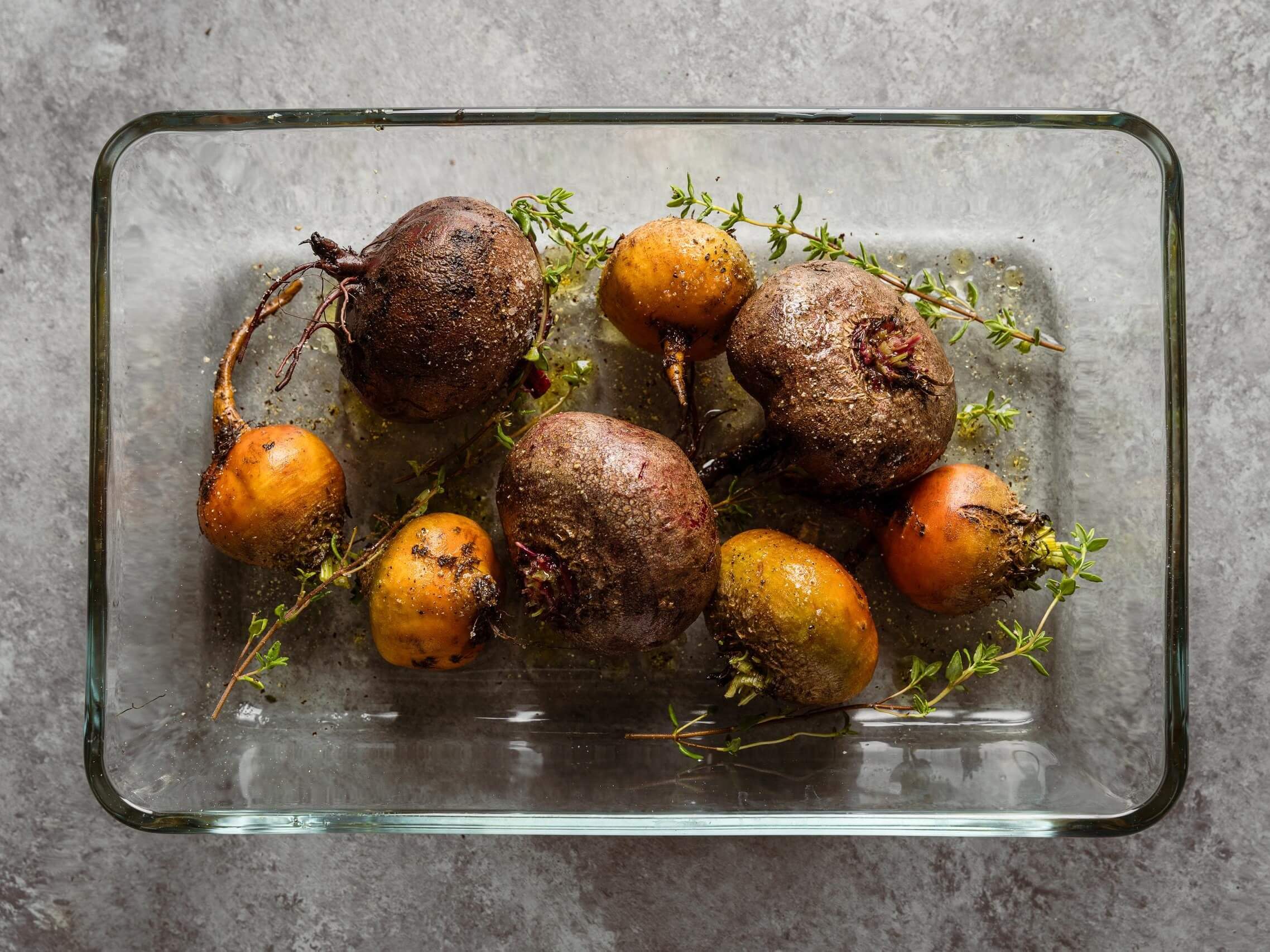
Beets aren’t just the deep purple-red variety most people picture. Each variety comes with its own color, flavor, and size. Red beets, the most familiar, are sweet and earthy. Golden beets are a bit milder with a subtle carrot-like flavor and won’t stain your hands or cutting board. And Chioggia beets, an Italian heirloom with candy-cane-striped pink-and-white flesh, are the mildest of the three, known more for their striking rings than their flavor. Their colors fade to solid pink once cooked, so I prefer to just shave them raw into salads.
Beets also vary quite a bit in size, from as small as a golf ball to as large as a softball, and because of that, they don’t all cook in the same amount of time. A batch of small beets can finish well before a batch of large ones.
And they are more versatile than they get credit for. Cook a batch of beets at the start of the week, and you’ve got a fast, colorful addition ready to go for days. They keep well in the fridge for up to five days or frozen for up to a year. Toss them into a green salad (like the one on below), blend them into hummus, layer them onto a sandwich, or eat them straight from the container with a sprinkle of salt and good olive oil.
However you cook them, beets are sweet, earthy, and delicious. If it’s winter and you already have the oven on for something else, roasting is a no-brainer. It also gives them the deepest flavor. Steaming or boiling are good choices if you don’t want to heat up the kitchen, or if you’re short on time and want a more hands-off, low-maintenance approach.
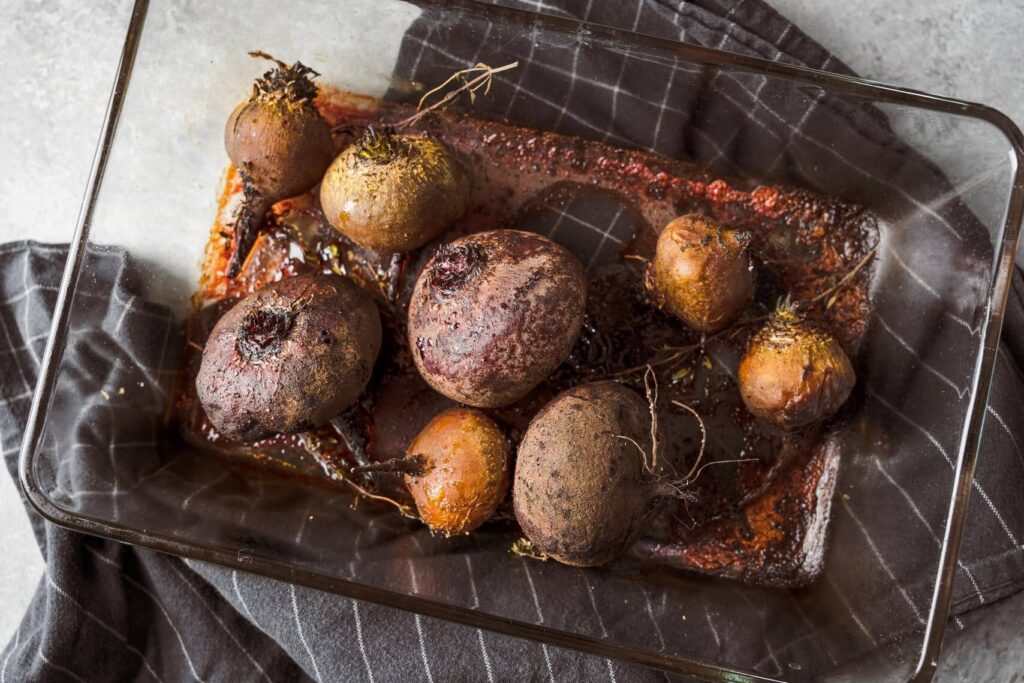
Roast: Roasting concentrates beets’ natural sweetness into something deep and almost caramelized. Don’t peel the beets before cooking, since the skins will easily slip off once they are roasted tender, and leaving them on protects color and flavor. Rinse whole beets well and toss them with olive oil, salt, and pepper. Add to a roasting pan with 1/4 cup of water and cover tightly with foil. Roast at 400°F for 45 to 90 minutes depending on size, checking with a fork starting around 40 minutes and adding more water as needed.
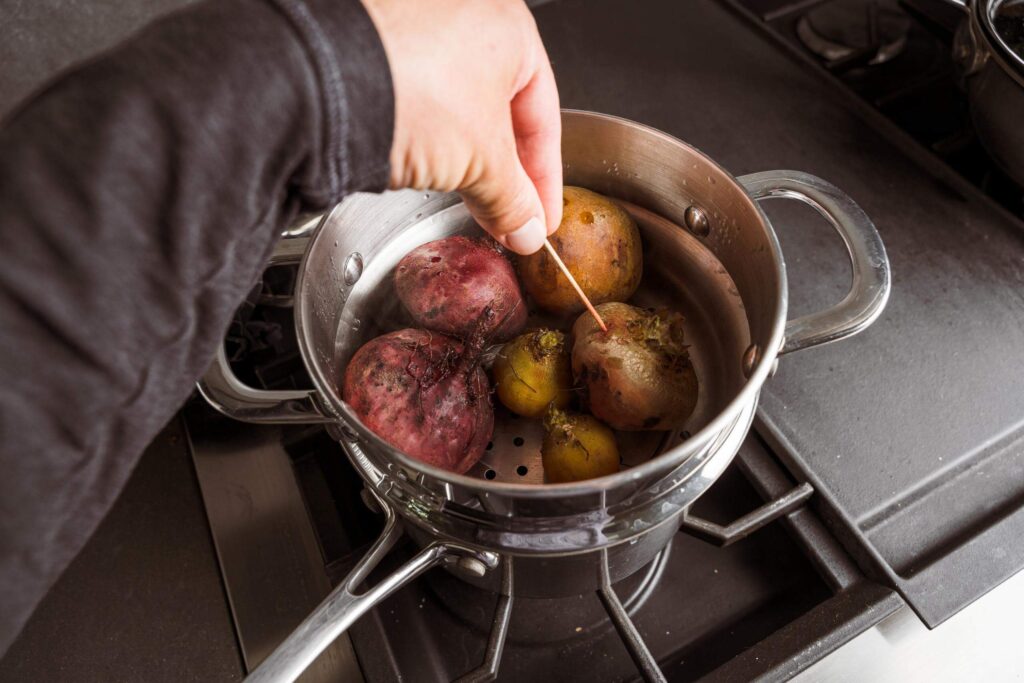
Steam: Steaming keeps the flavor clean and neutral. Leave the beets whole with their skin on and steam until a fork slides in easily, about 30 to 45 minutes. Be sure the pot has enough water to last the full cook time, topping off as needed.
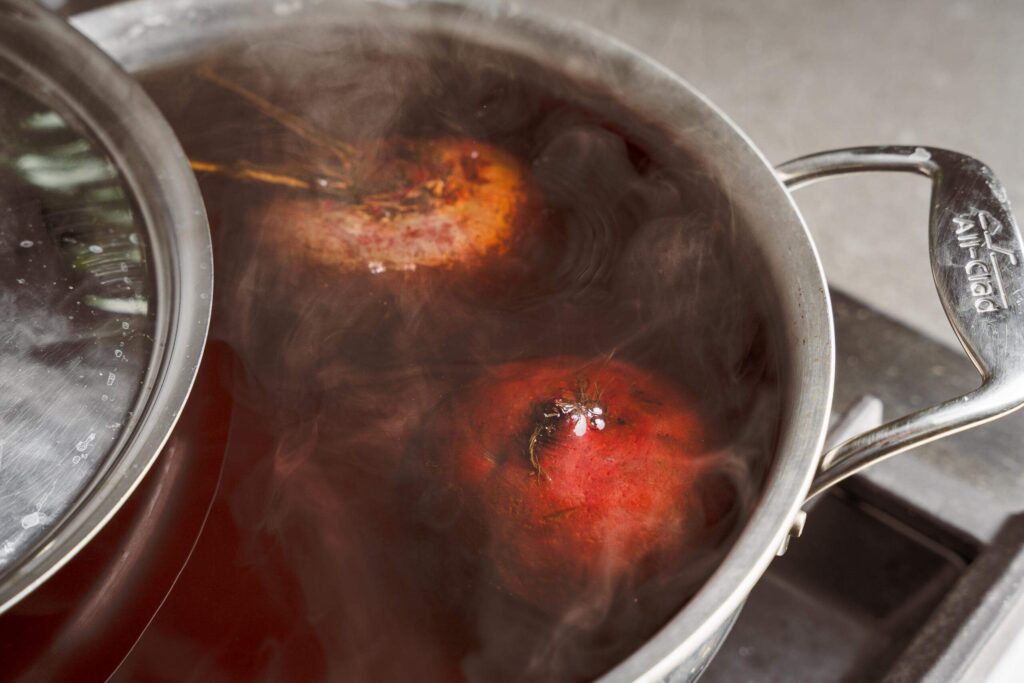
Boil: This hands-off method needs no special equipment — just a pot of water — and is the simplest method for a big batch. It pulls some color and flavor into the cooking water, resulting in the mildest taste of the three. (If the leftover water is potent enough, you can reuse it to make risotto and other dishes bright purple.) Leave the beets whole with the skin on and place in a pot with enough cold water to cover by about 2 inches. Bring to a boil in salted water, then reduce the heat and simmer until a fork slides in easily, about 30 to 45 minutes, depending on size.
Beet Tips
- Avoid beet stains by wearing gloves and using a dark cutting board.
- Peel beets after cooking while they are still slightly warm by slicing off the stem end and rubbing the skin with a paper towel (or a clean dark kitchen towel) to remove it.
- Store different colored beets separately so they don’t bleed into each other.
- Use the beet greens, too! Very similar to swiss chard, beet greens can be rinsed and sautéed in a skillet with some shallot and onion. Read more in From Top to Bottom: Beets and Radishes.
