
Note that if you purchase something via one of our links, including Amazon, we may earn a small commission.
Volunteer “glow getters” breed and release these endangered beetles.
Dear Reader,
If you were a child in the ‘80s (and afraid of the dark), you might recall a stuffed toy with a plush, velvety worm body and a smiling plastic light-up head. The Hasbro Glo Worm was briefly taken off the market when it was revealed that it contained phthalates, a hormone disrupting additive that makes plastic pliable.
But for many of us, even in parts of the world where glowworms exist (including New Zealand, Australia, the UK, and parts of the United States), the Hasbro worm might be the only glow worm we’ve ever seen.
This could change if a group of volunteer “glow getters” continue to succeed in boosting populations of these beloved critters, which are actually not worms at all, but rather the larvae or adult wingless females of certain types of beetles. “The bioluminescent beams of ‘fairy folk’ are shining again from a nature reserve in North Yorkshire for the first time in a century after the successful reintroduction of endangered glowworms,” a story in The Guardian tells us.
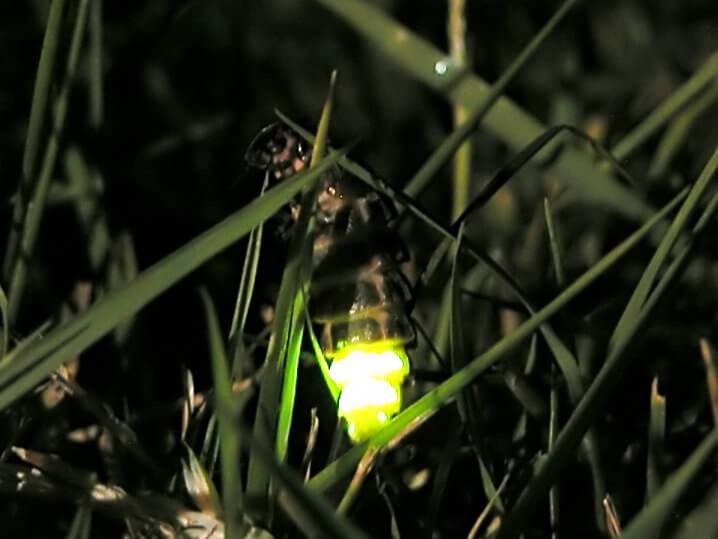
It’s been no easy feat. Volunteers, led by ecologist Pete Cooper, collected some glowworms in the wild and then set about breeding them to the larval stage from a shed-turned-lab in Bristol, UK. “Larvae were transported north and first released at Nosterfield in 2024, but because glowworms take two years to reach the adult stage of their life cycle — where the flightless female glows to attract feeble-flying, beamless males — it was not until this summer that the first signs of success emerged.”
Why are glowworms so besieged? Blame “intensive farming, development, electric lights, and the cult of tidiness which has removed the rough and varied grassland they require,” the story tells us.
So, let’s celebrate tireless volunteers who care about creatures from big to very, very small … and glowing.
Bioluminescently,
Dot
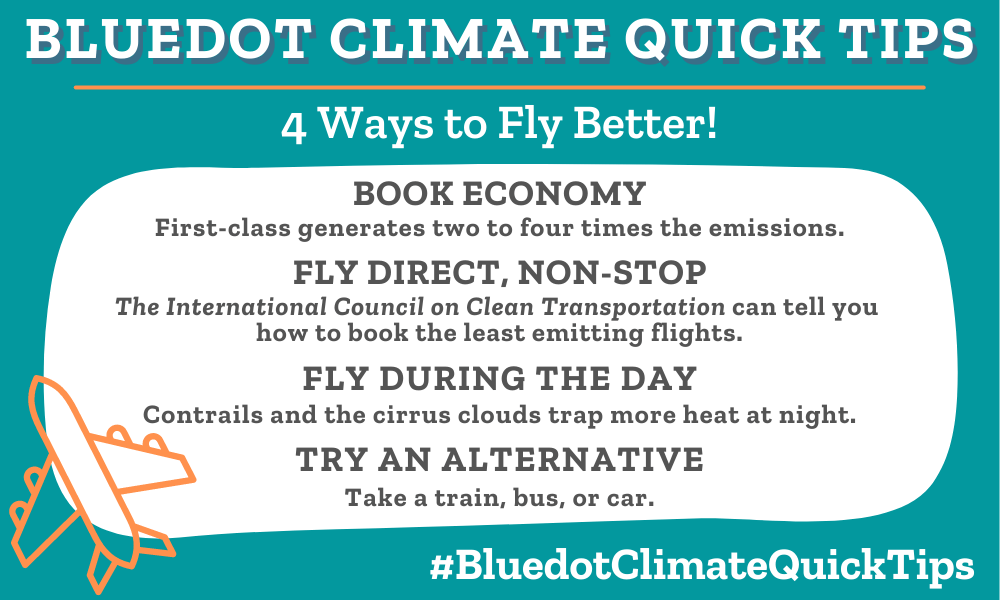
For more Bluedot Climate Quick Tips, click here.