Note that if you purchase something via one of our links, including Amazon, we may earn a small commission.
Never waste a leek again.
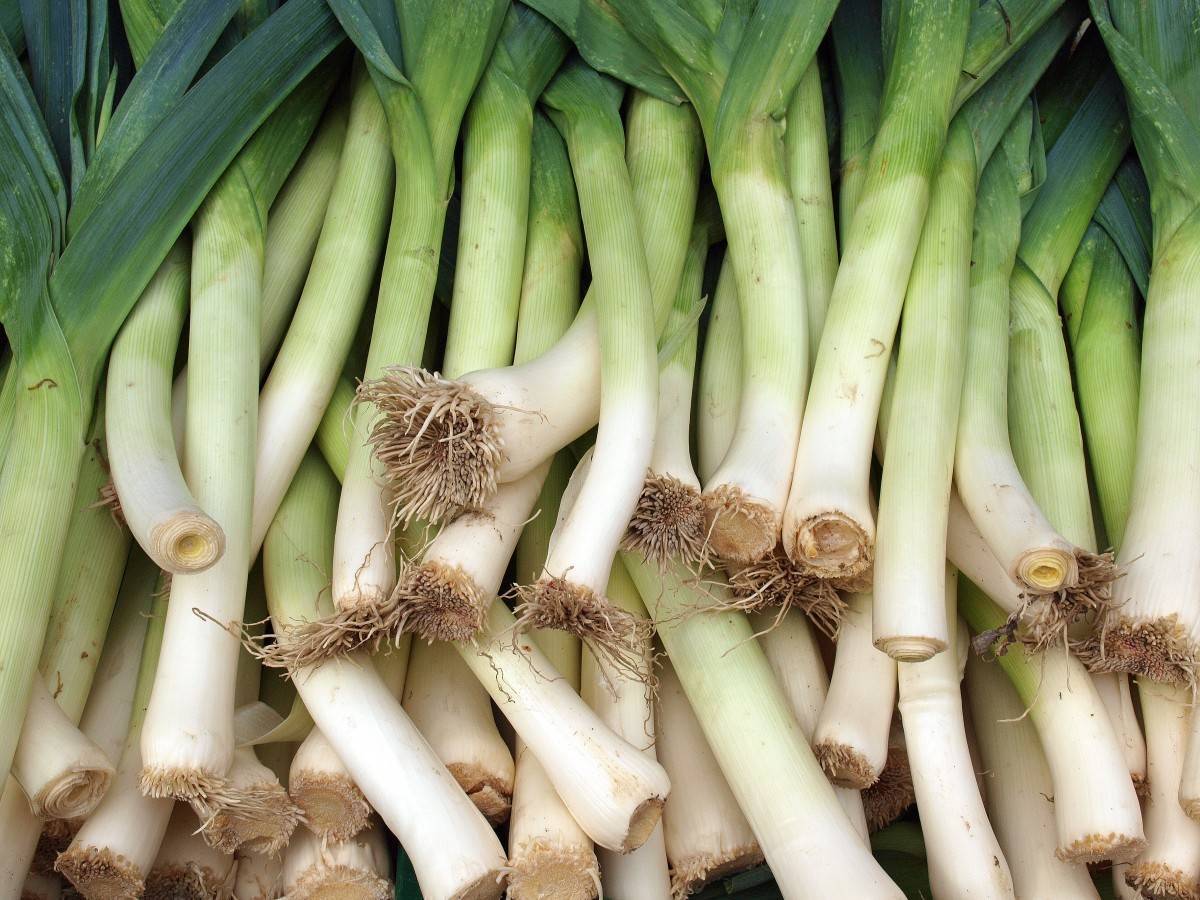
There’s little doubt that soups and stews gain flavor and depth by adding leeks, often in addition to onions. Writing a soup cookbook, Soups + Sides, only confirmed my deep appreciation of this upright, sturdy allium. Leeks also find their way into flavoring sauces, soufflés, frittatas, gratins, pasta dishes, and more.
At some point, though, I realized we have been wasting two-thirds of the vegetable — unnecessarily, it seems. I grasped this after a mistake by a novice in the kitchen.
While cooking breakfast for a visiting family, I had asked my husband to help sauté some leeks for an omelet. Leeks soften much quicker than onions, and offer a milder, sweeter flavor. He had sliced from the top, from the dark green part, and sautéed. About to school him for using the wrong end, I decided just to use the soft, green sections he had sautéed and skip the drama. It tasted the same! Maybe even more flavorful than the white or light green parts recipes tend to call for. The idea has been avoiding tougher dark green parts, which seem to be not so tough after all. The proverbial light bulb clicked on and I never wasted a leek again.
You will get more for your money if you use the whole leek — the white, light green, and dark green parts — while wasting much less.
Growing Leeks
If you have a garden, plant leeks. They come in tiny bunches of seedlings and are easy to grow. You can leave them in the ground long after the garden is put to bed. I pulled one in January for a lentil soup.
Prepping Leeks
Leeks can be sandy and need a thorough rinse. Slice off any wilted or ruined ends, cut the leeks in half lengthwise, and rinse each half under running water to get any dirt or sand between the layers. When rinsing and getting between the layers, try to hold the half intact — it makes it easier to slice.
Cooking Leeks
Leeks cook much quicker than onions. The longer you cook an onion, the sweeter and more flavorful it becomes as it sheds its liquid. Cooking onions for 10 to 15 minutes until they start to caramelize creates a favorable soup base. Leeks, on the other hand, just need to wilt and soften, which can take under 5 minutes. For that reason, start cooking the onion first, then slice the leek and add. The combination of an onion and a leek works wonders in soups.