

Note that if you purchase something via one of our links, including Amazon, we may earn a small commission.
A guide to making the most of our favorite aromatics to elevate dishes and avoid food waste.
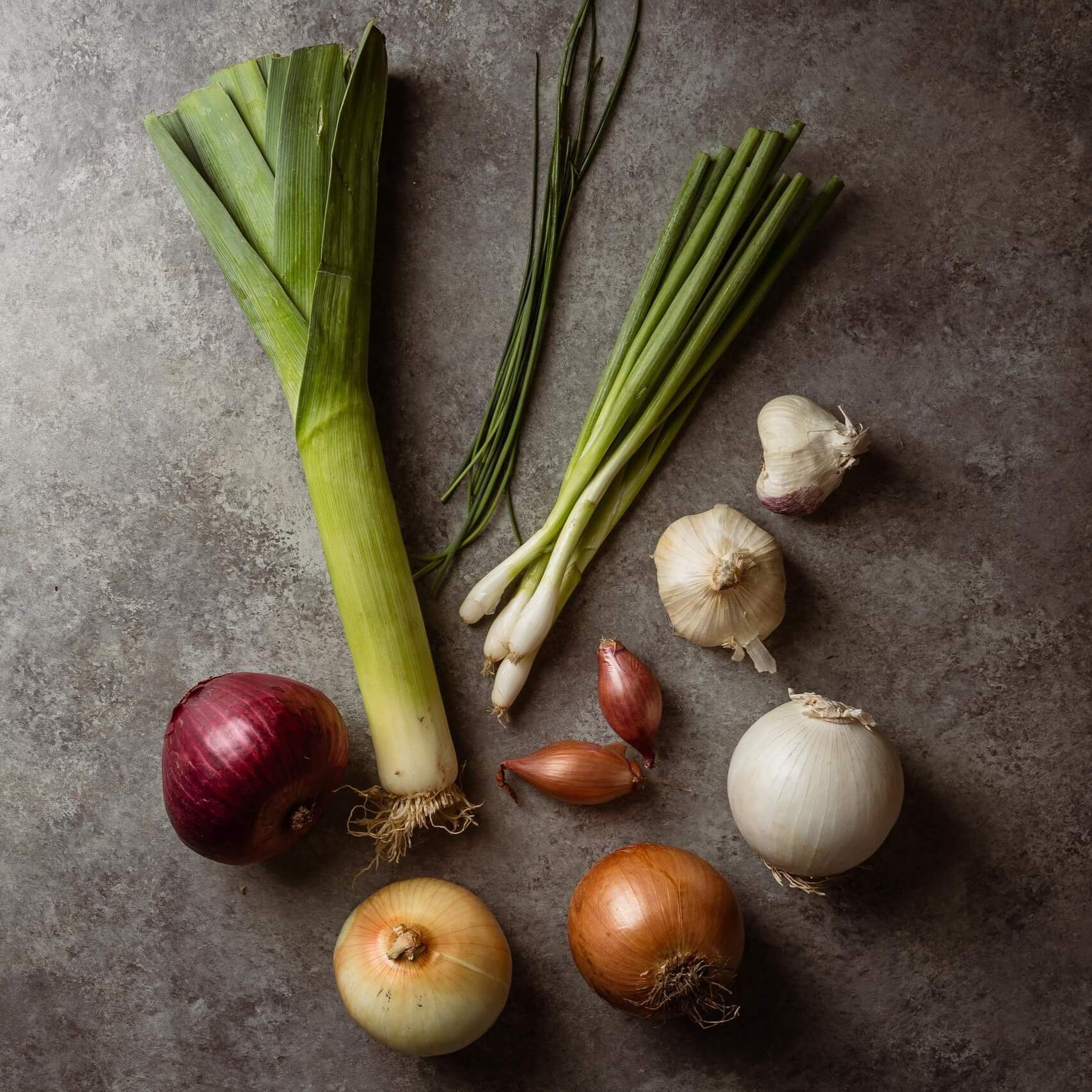
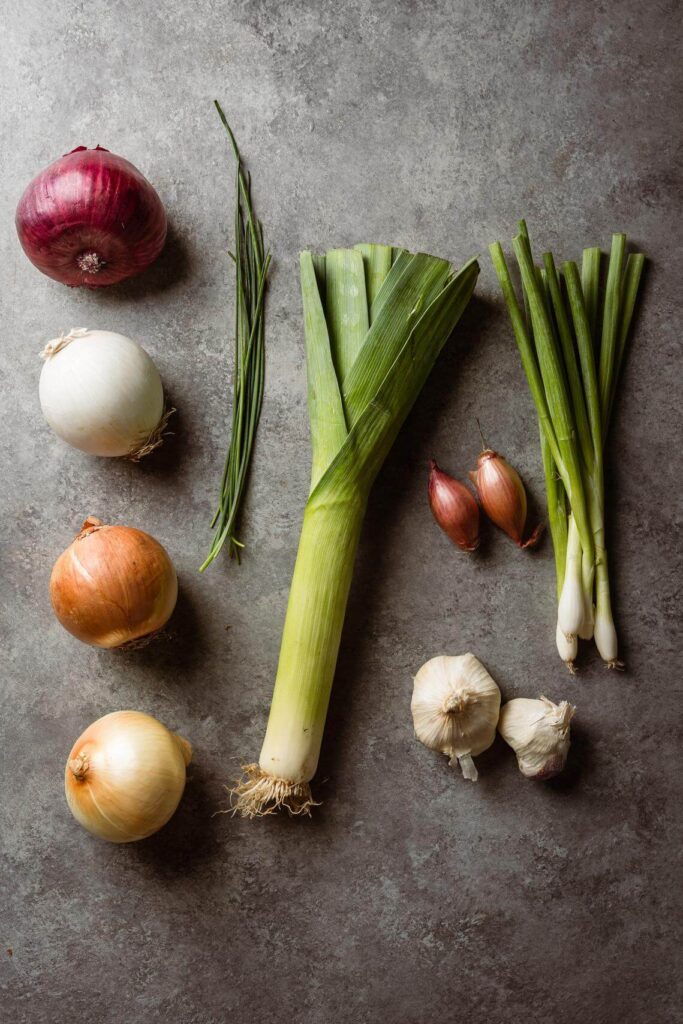
Alliums — the family of onions, garlic, shallots, leeks, scallions, chives, and more — are some of the most essential ingredients in the kitchen. Dishes of almost all cuisines and cultures start or finish with at least one of them, so here’s a quick guide that peels back the skin on the alliums we love using.
Onions
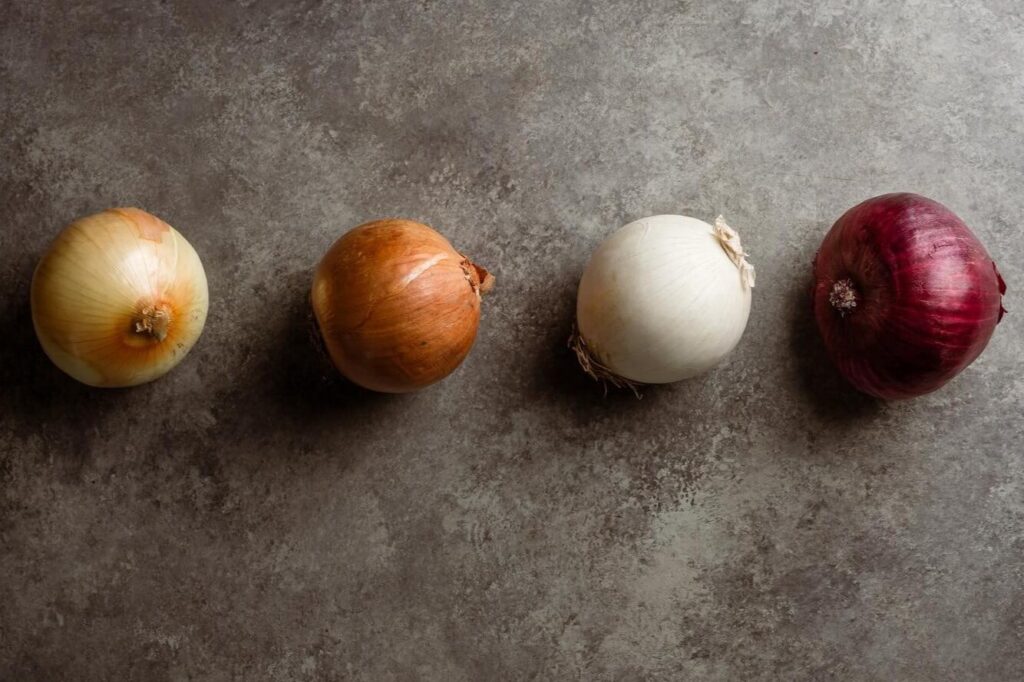
Onions are not all interchangeable. Here’s a quick guide to what each type does best.
- Yellow onions: The all-purpose do-everything onion with balanced flavor that is best for cooking.
- White onions: Sharper, crisper flavor and texture that is perfect when used raw in Mexican dishes like salsas, guacamole, and tacos.
- Sweet onions (Vidalia, Walla Walla, or Maui, depending on the season): Milder flavor with lower sulfur and higher water and sugar levels, so they are tasty eaten raw in salads and poke bowls or on burgers and sandwiches.
- Red onions: Mild flavor and beautiful purple color, perfect for using raw and for quick pickling.
Shallots
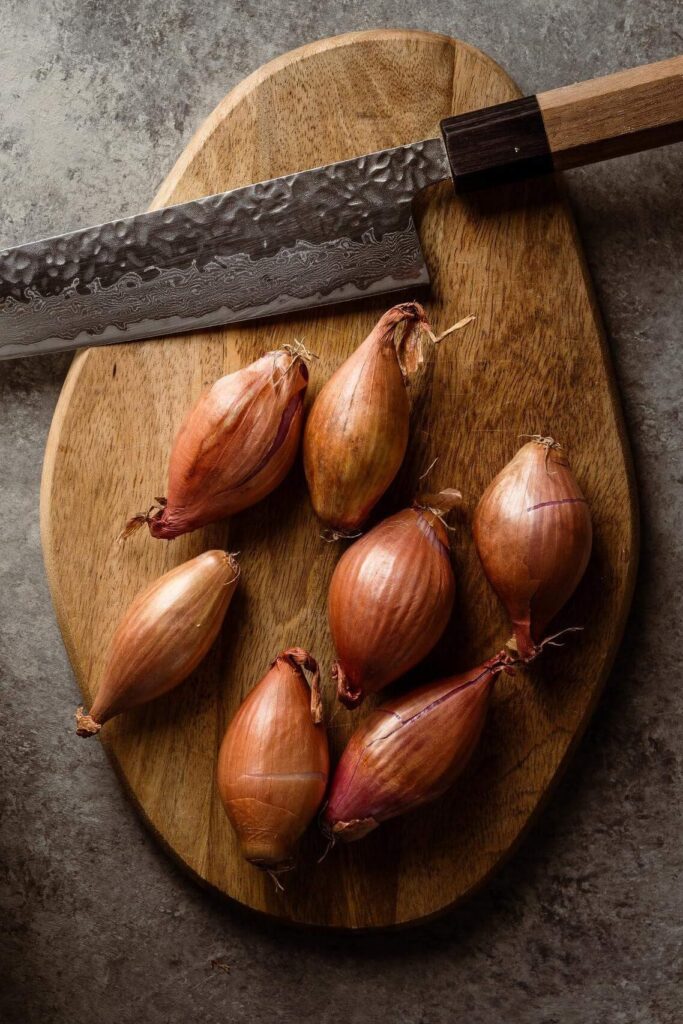
A shallot looks like a small onion but has a more complex flavor, like a mild sweet onion and garlic combined. They cook faster than onions and cleanly meld into homemade vinaigrettes without bringing the sharp bite of a raw onion. Restaurants rely on shallots as a secret weapon to quickly and easily add depth of flavor to both raw and cooked dishes and sauces. If you use only onions and garlic at home, consider experimenting with the mighty shallot: Use one in recipes that call for a small amount of onion to avoid having a chunk of leftover onion in your fridge that might go to waste. And try our Shallot Jam.

Garlic
Beyond the standard bulb you already know, garlic comes in a range of distinct varieties, each with its own flavor and best use.
- Softneck: The grocery-store standard that everyone knows. It stores well and has more and smaller cloves, along with a dependable flavor that we’re used to when it comes to garlic.
- Hardneck: Fewer, larger cloves with a bolder, sometimes spicier flavor. This produces garlic scapes, the curly edible flower stalks that show up in late spring, which are milder and greener than the bulb and great in a quick sauté or blended into pesto.
- Elephant garlic: This giant-sized garlic is actually closer to a leek than garlic in flavor. It has a very mild, mellow flavor and is good roasted whole or shaved raw into salad dressings.
- Black garlic: Not an actual variety itself, it’s made from whole garlic heads that have been slowly aged until soft, sticky, and balsamic-sweet. A low-effort way to add deep umami to a dish.
Make it last: The best way to store garlic for as long as possible is in a terracotta garlic keeper. A paper bag in an area with good airflow also works well.
Scallions (Green Onions)
The whites and greens behave differently when cooked, so it’s best to use them separately. The whites are sturdier and closer to a mild onion — great in soups, sauces, and braises, or air-fried for a savory, crunchy topping. The greens are delicate, slightly sharp and grassy, and best treated like an herb, added raw at the very end for a fresh contrasting finish. Try our Charred Scallion-Oil Noodles, which uses both whites and greens, below.
Grow your own: Scallions are one of the easiest kitchen scraps to regrow so you don’t have to keep buying them at the store, saving you money, packaging, and even food waste. Stand the root ends in a jar with a few inches of water on a sunny windowsill, and they’ll resprout in days. Keep harvesting from the jar, or transplant into your garden to keep growing.
Chives
Chives are almost always used raw, chopped or snipped over a finished dish to add a distinct punchy onion-garlic flavor. They are a beautiful garnish with a purpose. Similar to scallions, they are easy to grow (and regrow) — if the roots are intact — in a small pot on a windowsill or planted in the garden.
Leeks
The mildest and sweetest member of the allium family, leeks are great in soups, sauces, and braises, where their gentle sweetness builds slowly instead of taking over. They also crisp up beautifully air-fried for a quick, savory topping. Leeks are often underutilized and provide so much flavor to dishes. Like scallions, they have two sections: a dark green top and a pale green bottom. Most people use only half the leek, but the whole thing is usable.

Tips for Allium Bottoms and Skins
- Save the scraps! Any skins, ends, tops, and bottoms (that aren’t filled with dirt) make excellent stock flavorings before going to the compost to feed your garden. See our Simple or Roasted Vegetable Stock to put those scraps to use. Check out our Fire Cider recipe, which leans on whole garlic and onion as its immunity-boosting base.
- Want to reduce allium pungency? Pour boiling water over sliced raw onions or other alliums in a strainer to cut down on their sulfur compounds and make them less strong when using them raw in dishes and before pickling.

ooo, I adore alliums, especially the under-appreciated leek, which I will soon be using in the leek and poppyseed cornbread I make every Thanksgiving. Happy to see the leek get its due here.