

Note that if you purchase something via one of our links, including Amazon, we may earn a small commission.
Unlock root-to-leaf revelations that reduce waste and make your taste buds sing.
If you find yourself staring at a bunch of fresh beets or radishes and thinking there must be more to do with them than roasting the roots or slicing them into salads, you’re not wrong. It’s easy to get stuck in a routine, using only the parts we’re most familiar with and tossing the rest into the compost or trash. But every part of these vegetables — from their roots to their stems and leaves — can bring something wonderful and unexpected to a recipe.
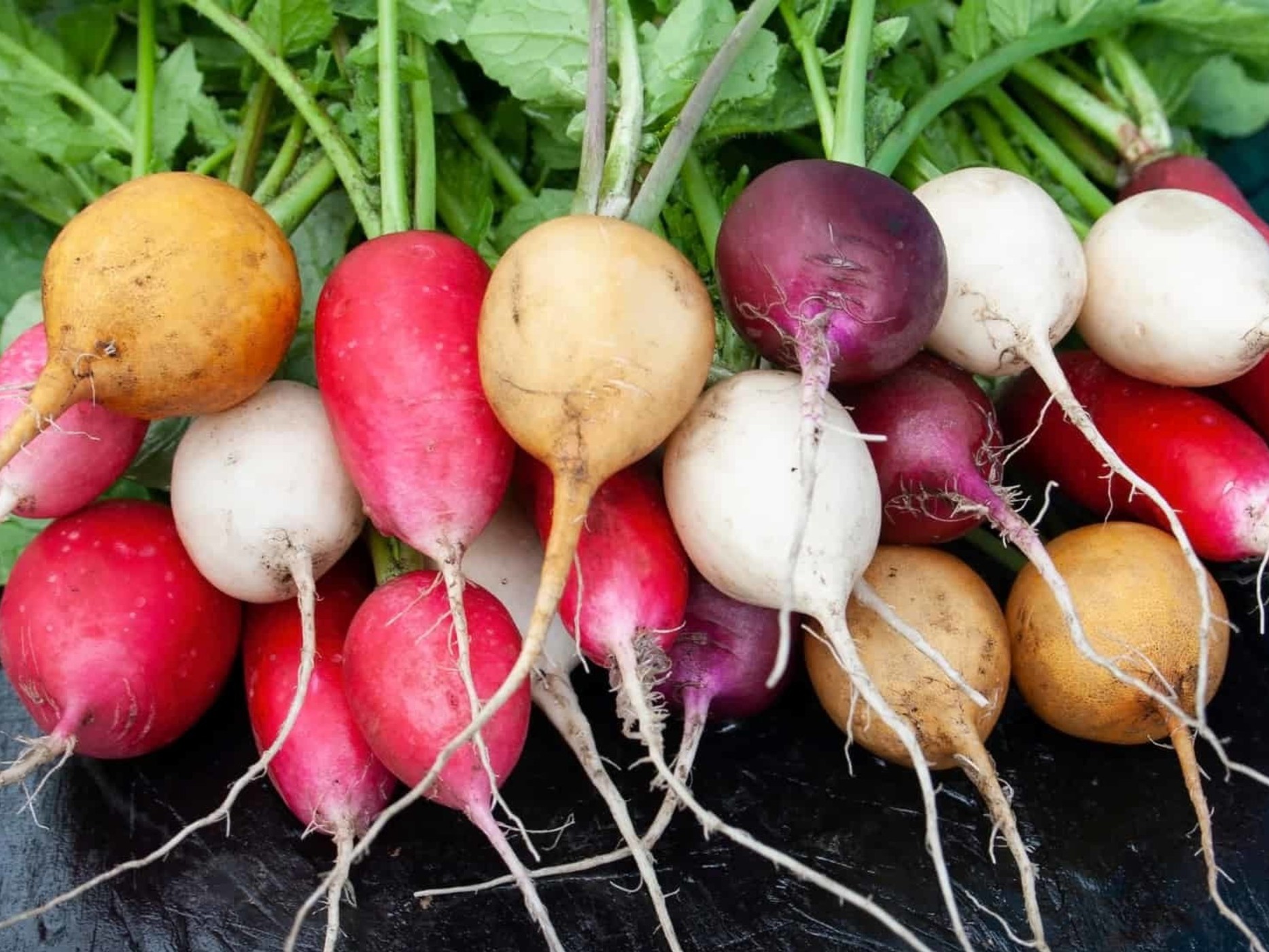
In fact, the bits we tend to discard are often the ones that can make a dish truly special. Beet leaves, for instance, have a gentle sweetness that balances out the earthy flavor of the beetroot itself, as in the Stuffed Beet-Leaf Dolmades. Radish leaves, on the other hand, offer a subtle peppery kick that pairs perfectly with crunchy radish slices in simple dishes like the Radish Greens and Sesame Salad With Sliced Radishes.
If you’ve never cooked with beet or radish greens, start small by substituting beet leaves for spinach in your favorite recipes. You’ll be surprised how easily they fit into stir-fries, omelets, or even pasta. Try radish leaves in a salad or sautéed with a little garlic and olive oil for a satisfying side dish.
Adding to the satisfaction is the knowledge that using every part of the plant not only reduces food waste, but also gives you more bang for your buck — all while introducing variety, color, and texture into your meals along with new flavors and nutrients into your diet.
Other vegetables worth mentioning in this context include carrots, leeks, fennel, and bok choy, whose stalks, leaves, and roots have unique characteristics that can add crunch, flavor, and even a hint of sweetness or bitterness, depending on how you prepare them. Try using carrot stems and leaves when making pesto, like in this recipe for Carrot Ribbons With Toasted Walnuts and a Carrot-Top and Lemon Pesto Dressing. The dark rough tops of leeks, which most people throw away, can be saved and used to impart a deep, savory taste into stocks and broths (more on using the whole leek). Fennel bulbs are wonderful roasted (their fronds can then be chopped and added to salads or used as a garnish), and every part of bok choy can be used to add crisp interest to whatever recipe it touches.
To sum up, the next time you’re prepping these vegetables, pause before you toss their leafy tops in the compost. Instead, give them a good rinse, pat dry, and try experimenting with them in your recipes. You might just discover a new favorite using what you already have.
