


Note that if you purchase something via one of our links, including Amazon, we may earn a small commission.
Garden suites, backyard bungalows, granny flats — whatever you call them, these additions gently boost urban density and cut carbon emissions. Here’s how to maximize their eco-friendly potential.
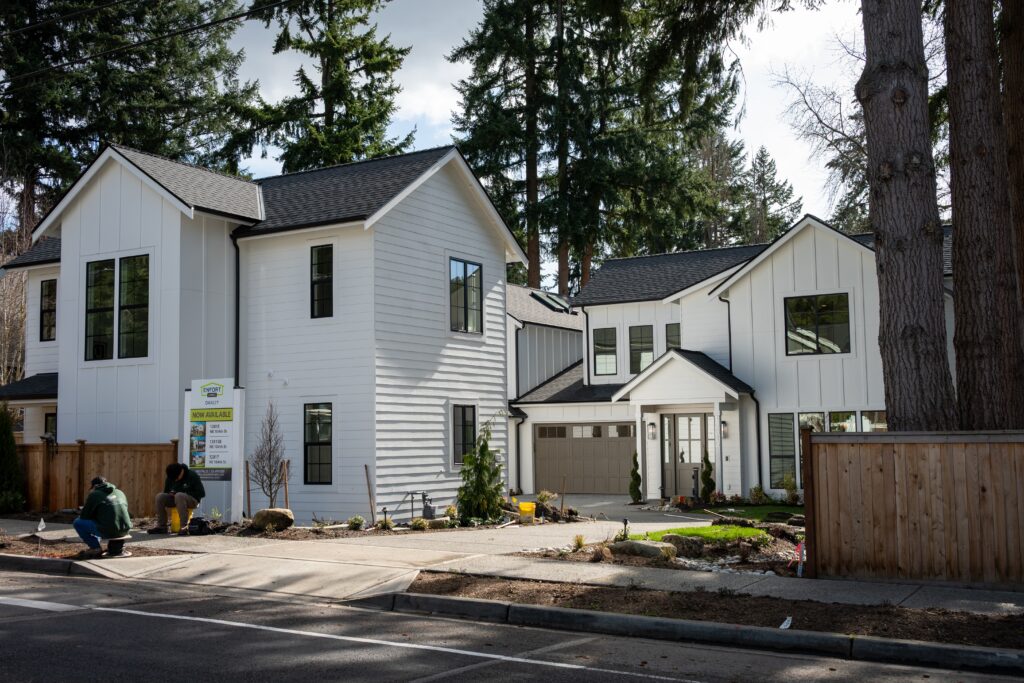
Since 2000, 18 states have passed legislation that allows property owners to build accessory dwelling units on their land. Accessory dwelling unit, or ADU, is a clunky name for what might also be called a granny flat, in-law suite, or backyard cottage — a secondary home on a single-family plot, generally between 800 and 1,200 square feet. Despite their unsexy name, ADUs can be, from a sustainability perspective, downright alluring.
From an environmental standpoint, promoting urban density may seem counterintuitive — less greenspace? more noise and traffic? — but density is preferable to urban sprawl, which lengthens commutes and encourages car-centric, carbon-spewing city design. ADUs are a low-profile way to improve urban housing density without cluttering streetscapes or introducing more-obtrusive multifamily complexes. They tend to run tight and lean, with efficient appliances, tankless water heaters, and low energy demand, making them attractive and affordable places to live in a time of skyrocketing housing costs and worsening shortages.
It’s no wonder ADUs have mushroomed into a $19.64 billion market that’s growing nearly 10% every year. In 2020, Freddie Mac estimated there were 1.4 million ADUs nationwide, a number that’s grown since, thanks to rising demand for affordable housing and increasingly permissive legislation and zoning regulations.
Any ADU will bring some environmental benefits, but designing and building with sustainability in mind will shrink your backyard bungalow’s energy footprint and make it a healthier, more pleasant, and planet-friendly place to live for renters, family members, or, hey, maybe even you.
Site Smart
To maximize your ADU’s environmental benefits, take orientation, layout, and landscape into account. Property size will naturally limit your options, but a careful siting plan — building on a south-facing slope, for example — can help you use natural light and heat to your advantage, cutting down significantly on utilities.
Consider energy-capturing systems like photovoltaic panels from the get-go, and design a living space with wide walkways and high ceilings, which both contribute to energy efficiency and high quality of life.
If your mother-in-law suite is living up to its name as a home for older family members, incorporate aging-in-place and ADA design principles to make sure the home’s interior and exterior remain comfortable and functional as residents age.
ADU regulation is recent and complicated, and it varies widely across and within municipalities, so make sure you’re up-to-date on your area’s zoning and building requirements before you think about breaking ground.
Build With Safe, Sustainable Materials
Opt for renewable, recycled, or sustainably sourced natural materials, like reclaimed wood siding; bamboo, cork, or tile flooring; and recycled metal and glass. A green roof, which incorporates plant life, can improve insulation, collect rainwater, and integrate the structure with its environment.
Volatile organic compounds, or VOCs, are chemicals released from paints, household cleaners, and new furniture, among other household items. They lower air quality and have adverse health effects, so minimize your exposure by building and furnishing with secondhand or natural materials and optimizing cross-ventilation.
Splurge on high-quality windows and insulation made from recycled material, which sidesteps the risk of VOCs. A well-insulated ADU requires less heating and cooling — a boon for energy use and your wallet.
Maximize Energy Efficiency
Thanks to their compact size, ADUs emit 40% less carbon over their lifetimes compared to midsize single-family homes. In fact, small homes built with standard building practices tend to be more energy-efficient and climate-friendly than medium-sized homes built with popular green practices like high insulation and optimized building material disposal.
So your ADU has a natural head start in energy efficiency, but give it a boost with high-efficiency ENERGY STAR appliances, a smart thermostat or ductless mini-split HVAC system, and LED lighting.
Consider installing photovoltaic panels and relying on renewable solar energy to power your garden suite. Incorporate solar shading devices like outside window shading, depending on your climate, and insulative curtains.
Tile and stone flooring can help store and release heat during colder months, and light-colored building materials will keep your cottage from getting too hot.
Conserve Water
Low-flow plumbing systems will cut back on water consumption, and a solar water heater will boost energy efficiency. Make a plan to capture rainwater for irrigation, and consider harvesting greywater from sinks, laundry, and showers for reuse inside and out. Depending on where you live, you can consider a bioretention system that treats the water for reuse.
Design a Local, Low-Maintenance Landscape
Nestle your ADU into the natural environment by landscaping with native plants, which tend to require less water and maintenance. Consider placing your ADU among deciduous trees, which will shade the structure in the summer and allow heat and sunlight in during the winter.
Aim for biodiversity and a design that optimizes water collection and natural water absorption. Finally, consider bringing the natural environment inside. Houseplants freshen and sanitize the air and smooth the transition from indoors to out.
Want to Go Off the Grid?
Building an ADU is not cheap. The cost averages from $150 to $400 per square foot, and the total can come to between $110,000 and $400,000 (or more) for detached new construction. Prefab options can cut expenses, but an eco-friendly design and build is liable to cost more up front for lasting quality-of-life and environmental benefits.
If you really want to maximize those benefits and can manage the investment, consider going entirely off the grid — building a self-sufficient ADU that’s not connected to municipal power, water, or other services. We’re talking solar or wind power, composting toilets, and careful water management. It’s a challenge and not for everyone, but the result could be liberating. Your ADU will be small, but your dreams don’t have to be.
For more information on what ADUs are, how they expand housing opportunities, and how to get started building your own, check out AARP’s guide, The ABCs of ADUs, and Kol Peterson’s book Backdoor Revolution: The Definitive Guide to ADU Development.

The best article I g
Have read on the topic. You encourage someone to do it right, but of course this option needs to be only a part of a larger attempt at energy efficient housing for others to be done en masses while considering all the factors you outline here.